
In this story ⌄
- Start with your game library and the places you actually play.
- Check compatibility, offline behavior, and control comfort.
- Decide how much setup and maintenance you want to do.
The fantasy is easy: your favorite games, anywhere. The reality has a few more details—where you will sit, what you want to play, how often you will reach for a charger.
Before falling in love with a spec sheet, picture an ordinary evening with the device. These five questions are about whether the handheld fits that evening.
1. What will you actually play?
Write down the five games you expect to launch most often. Include the specific versions or stores where you own them.
A familiar title is not automatically available or compatible on every platform. Before buying, check the game's current official requirements and the device maker's compatibility information. Online features, anti-cheat systems, controllers, and launchers can affect the experience. For Steam Deck, start with Valve's compatibility guide.
Think about the games you return to, not only the ambitious backlog you hope to conquer. A purchase designed around your real habits is easier to evaluate than one designed around every possible future hobby.
2. Where does portable fit into your day?
A device used on the sofa has different practical demands from one carried on a commute. Picture the bag, seat, table, or room where it will spend most of its time.
Measure your available storage space and consider the complete travel setup: case, charger, cables, and any accessories. The device itself is only one part of what you carry.
If you expect to play away from a connection, verify how your chosen games handle offline use. Do that before a trip, while you can still download updates and resolve account prompts. Steam players can follow Valve's Offline Mode setup guide.
3. How much setup sounds enjoyable?
Some players enjoy adjusting graphics settings and exploring different software. Others want to pick a game and press play.
Neither preference is more serious. Be honest about which describes you after a long day. Read the official setup instructions and imagine repeating the maintenance involved.
Make a distinction between a capability and a convenient routine. A device might support a particular task while making it more complicated than you would enjoy. Your tolerance for that friction belongs on the shortlist alongside performance.
4. What feels good in your hands?
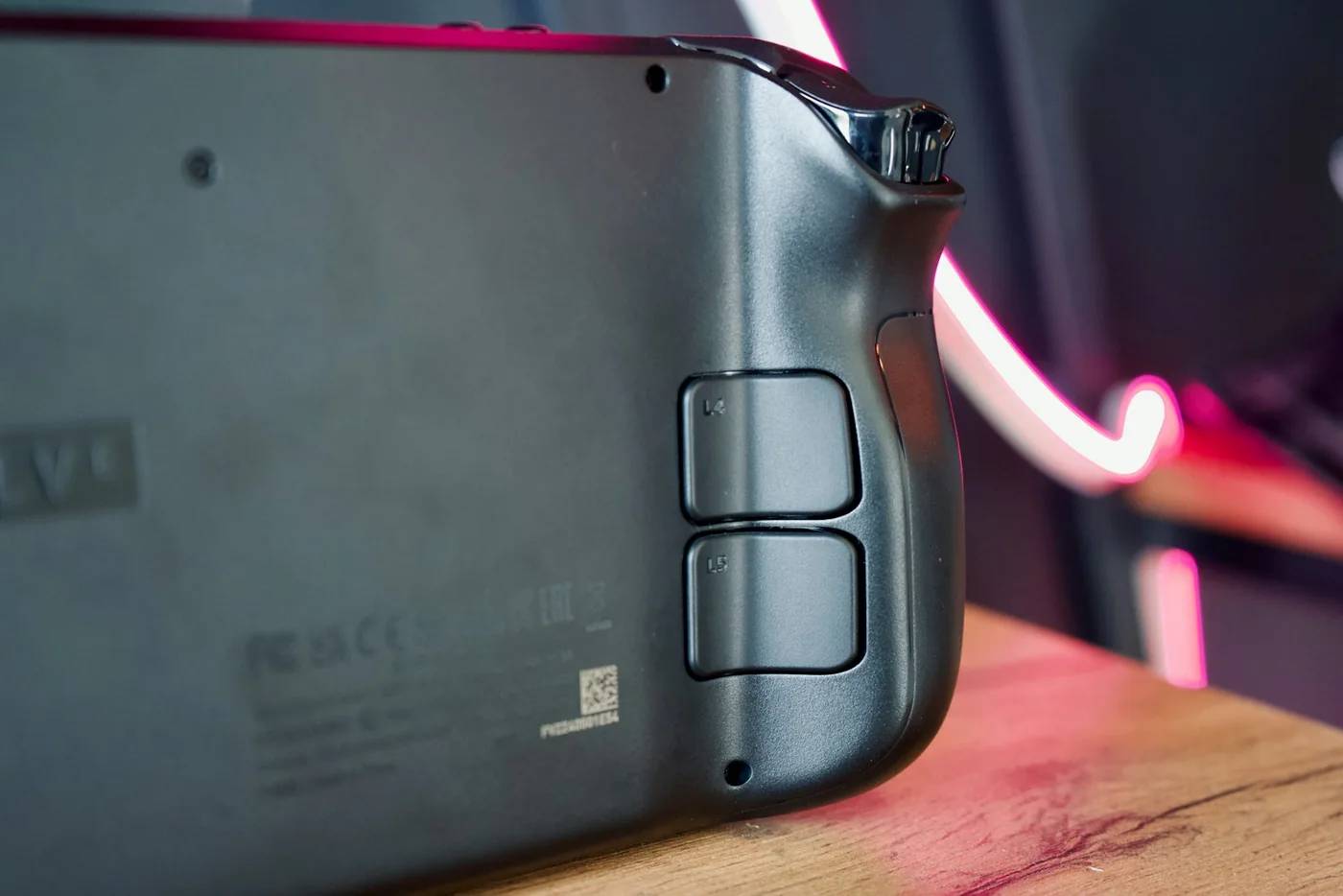
Dimensions and weight are useful starting points, but they do not describe the whole experience. Grip shape, button placement, and the way you support the device matter too.
If you can try a model in person, use the controls you would use in your own games. Consider where your hands rest and whether the screen is comfortable to read at your usual distance.
If trying it is not possible, check the seller's current return terms before committing. Avoid treating another person's comfort verdict as a guarantee about your own hands.
5. What is the complete commitment?
List the things required for your intended setup, including storage, a case, and any software or games you would need to purchase again. Separate essentials from attractive extras.
Look up current manufacturer information for battery expectations, charging, repair, and support. Battery results depend on what you run and how you configure it, so compare conditions rather than isolated headline numbers.
When your shortlist is ready, ask one final question: which option makes your actual games easier to enjoy? That answer is more useful than winning a specification contest.
Try this next.
A few small steps to turn the idea into something useful.
Go a little deeper.
Original sources, practical instructions, and places worth exploring.
Steam Deck Verified
Understand Valve's compatibility categories and check the details for games in your library.
steamdeck.comSteam Offline Mode
Official setup instructions and limitations to review before playing without an internet connection.
help.steampowered.comExternal links open in a new tab. References and further reading are selected for this story; inclusion is not an endorsement.
Something we should know? Send a tip or correction.