
In this story ⌄
- Older interfaces can bring back a sense of place and personality.
- A retro aesthetic is different from the experience of using the original web.
- Borrow the parts that make the internet more personal to you.
A chunky cursor. A tiny guestbook. A page that looks as though one person made every odd decision on it. Old-web nostalgia often begins with the design, but the feeling goes deeper than a font.
The appeal is a place that seems to have an owner rather than a growth target. That does not mean the old internet was perfect. It means there are parts of it worth remembering—and making again.
Familiar details are shortcuts to a feeling
A design can suggest a time or place before you read a word. The visual language of an old chat window may evoke informal conversation. A deliberately homemade page can suggest that a person, rather than a committee, assembled it.
Those associations will differ from reader to reader. Someone who used an interface firsthand may notice details that feel inaccurate. Someone encountering the style for the first time may see only an appealing set of shapes.
That difference is part of the appeal. A visual reference can be a memory for one person and a discovery for another.
The past arrives with the rough edges edited out
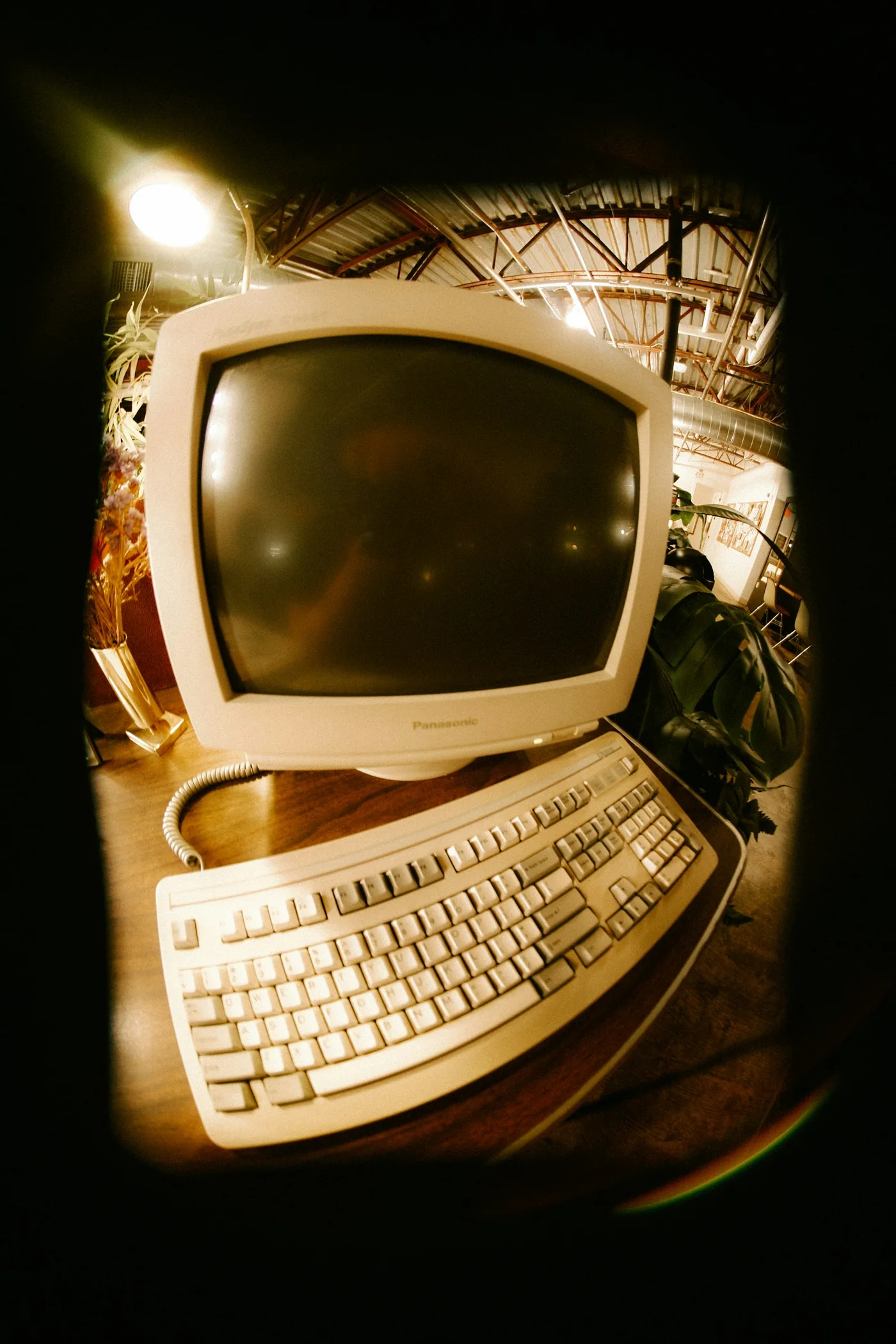
Nostalgic design often preserves the charm of an earlier experience while leaving its inconvenience behind. You can enjoy the look of an old desktop without waiting through its original startup time.
This is not necessarily dishonest. Creative work has always borrowed selectively. It becomes more interesting when we notice the selection rather than confusing the mood with a complete historical picture. For your own exploration, compare older pages using the Internet Archive's Wayback Machine.
The useful question is not whether the past was universally better. It is which qualities people are trying to recover: personality, surprise, visible effort, a smaller audience, or simply a different color palette.
Constraints can become an aesthetic
Limited colors, chunky graphics, and compact layouts give a designer a recognizable vocabulary. Working within a narrow set of choices can make a project feel cohesive.
A creator may also enjoy showing the construction. Visible borders, simple navigation, or handwritten captions can give a page a sense of authorship. The work feels made by someone.
That effect does not require recreating every technical limitation of an older medium. You can keep clear text, keyboard access, and responsive layouts while borrowing its visual energy.
Participation matters as much as appearance
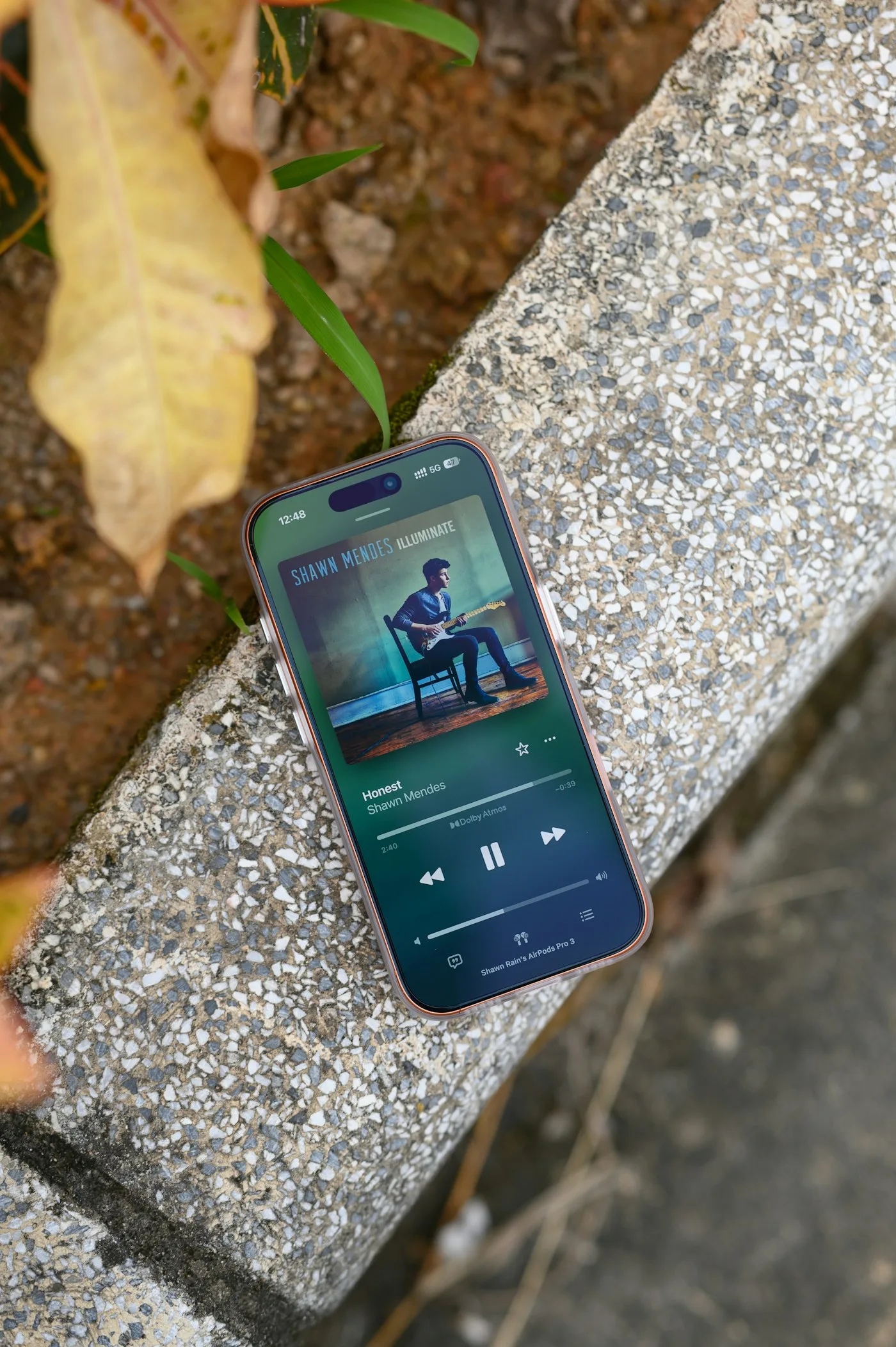
The strongest references invite people to do something: customize a page, collect a small artifact, trade a playlist, or leave a thoughtful comment.
A nostalgic theme becomes more than decoration when its interaction matches the feeling it promises. A personal-looking site that offers no space for a person's voice can feel hollow. A modest page with a clear point of view can feel memorable.
This is a useful test for any creative reference. Ask what behavior the style encourages, then decide whether that behavior belongs in the project.
Make something with the reference
If an old digital style appeals to you, use it as a starting point rather than a costume. Identify one quality you want to carry forward and build around it.
Maybe that means giving your site a personal introduction. Maybe it means making a playlist with handwritten notes or choosing a distinctive palette for a small project. For a hands-on starting point, try Neocities' website tutorials.
The internet has plenty of room for new things that remember old ones. The best use of nostalgia may be the one that helps you make something personal now.
Try this next.
A few small steps to turn the idea into something useful.
Go a little deeper.
Original sources, practical instructions, and places worth exploring.
Explore the Wayback Machine
Learn how to browse archived websites and explore the real pages behind a nostalgic visual reference.
help.archive.orgLearn How to Make Websites
Hands-on tutorials for turning a personal website idea into a page you can customize.
neocities.orgAbout Neocities
Explore a contemporary community built around independent, expressive personal websites.
neocities.orgExternal links open in a new tab. References and further reading are selected for this story; inclusion is not an endorsement.
Something we should know? Send a tip or correction.